







Search Results for: Starbucks New Drink
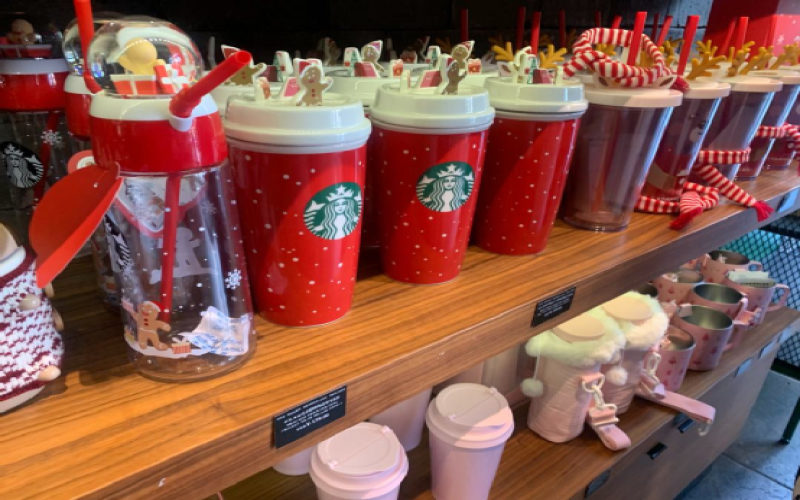
Starbucks Coffee's new releases lag behind, yet its cups become a blockbuster-making machine.
Starbucks has always presented itself as a coffee shop, but an interesting phenomenon is this: the pace at which it launches new coffee drinks is far slower than the pace at which it launches new cups. A cup of coffee costing thirty or forty yuan gives some consumers pause, yet people snap up Starbucks cups priced at one or two hundred, or even four or five hundred yuan, without hesitation. Every year, dozens of themed limited-edition cups and collaborative designs take the stage in turn, and the revenue from selling cups may already surpass that from coffee itself. From the 2019 cat-paw cup that sparked overnight queues and sold out in 0.07 seconds, to young people relying on swapping cups to stay motivated to drink water, Starbucks' performance in the drinkware arena is nothing short of phenomenal. At the same time, Starbucks China launches only about 30 new coffee drinks a year, while Luckin rolled out 113 beverages in 2021 alone. This article shows you the true nature of Starbucks as a "cup factory," and also touches on Front Street Coffee's commitment to beans and products. [more…]
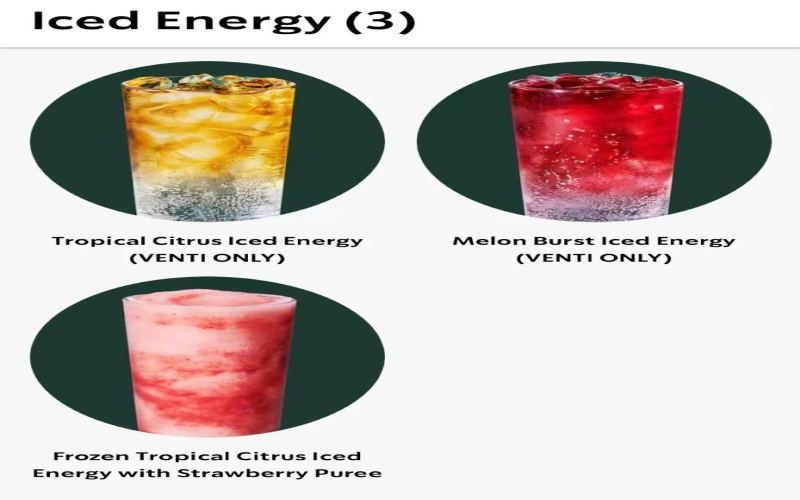
Starbucks launches high-caffeine iced drink, with a single cup containing as much as two cans of Red Bull, adding a new player to the energy drink race.
Starbucks has recently launched the Iced Energy line of iced energy drinks at its stores nationwide in the United States, with three new products in total, one of which is available in limited supply only on the App, while stores offer two flavors, Tropical Citrus and Melon Burst. This drink is brightly colored, low-calorie and sugar-free, yet contains as much as 205 milligrams of caffeine, far exceeding a Starbucks grande latte, equivalent to 6 cans of cola or 2 cans of Red Bull. In recent years, the U.S. energy drink market has grown rapidly, but Panera Bread's high-caffeine drink previously led to a death and litigation, and Starbucks' entry into the market this time has sparked online discussion about its safety. The American Academy of Pediatrics recommends that adolescents and children avoid energy drinks, and Starbucks responded that its store menus already disclose ingredient and nutrition information. [more…]
Starbucks' Valentine's Day Cocoa Raspberry Mocha Slammed as Tasting Like Chinese Herbal Medicine, Netizens Say Love Is Too Bitter
Valentine's Day is supposed to be a symbol of sweetness, and Starbucks duly launched a Cocoa Raspberry Mocha, with pink cream paired with raspberry syrup—visually, it's certainly eye-catching. However, many consumers who rushed to try it exclaimed, "I've finally tasted the bitterness of love." Some described it as resembling Banlangen, cold medicine, or even traditional Chinese medicine, and complaints poured in from all sides. What exactly is wrong with this limited-edition drink? Is it poor flavor integration, or is the freeze-dried dragon fruit dragging it down? Meanwhile, Starbucks has noticeably accelerated its pace of new releases over the past six months, yet its new products have repeatedly flopped in terms of reputation. The reasons behind this are worth examining closely. [more…]
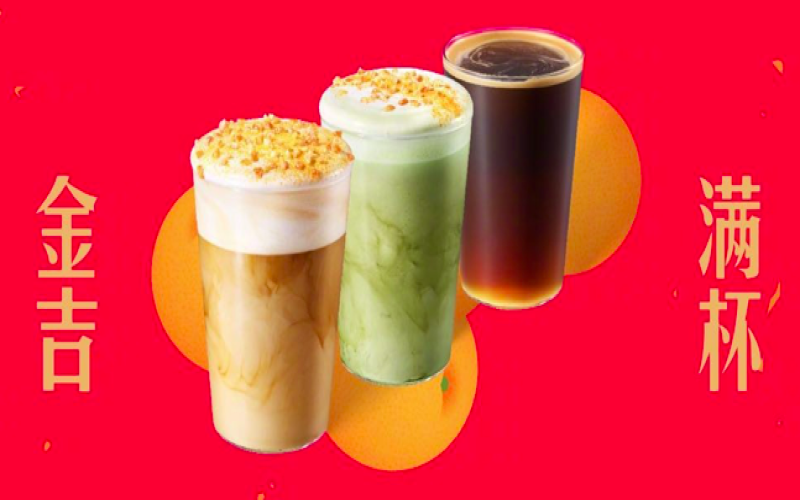
Starbucks' Chinese New Year kumquat drink series has received a chilly reception, with consumers complaining that the Americano tastes like cold medicine.
As the Spring Festival approaches, Starbucks has launched three Chinese New Year limited-edition drinks: Kumquat Cloud Macchiato, Kumquat Tieguanyin Tea Latte, and Kumquat Flavored Americano, aiming to attract customers with the auspicious meaning of "great fortune and prosperity." However, after the products hit the market, the Kumquat Americano quickly became the focus of complaints on social media, with many consumers reporting that its taste resembles cough syrup or Chinese herbal medicine, far from the expected citrusy sweetness. This article will review the real feedback on this new product and analyze the challenges Starbucks faces in its localization innovations. [more…]
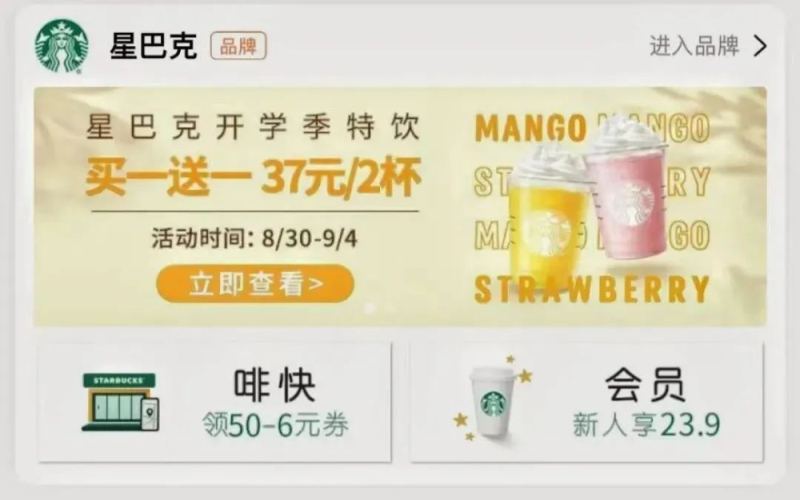
Starbucks Frappuccino launches another limited-edition new item, five ready-to-drink beverages on the same stage draw employee complaints like filling prescriptions
Starbucks Frappuccino has once again launched seasonal limited-edition new products—Mango Double Star Frappuccino and Raspberry Strawberry Frappuccino. Both drinks use a coconut-flavored concentrated base, involving five pre-made fruit beverage ingredients in total, and the production process is relatively cumbersome. Combined with the buy-one-get-one-free promotion on the啡快 mini-program, the new products quickly sparked a tasting frenzy, but also left baristas under the pressure of a flood of orders exclaiming that it was "like filling prescriptions in a pharmacy." This article will take you through the ingredient composition of these two new products, the difficulty of making them, and the real feedback from employees and consumers, while also reviewing Starbucks' pace of new releases so far this year. [more…]
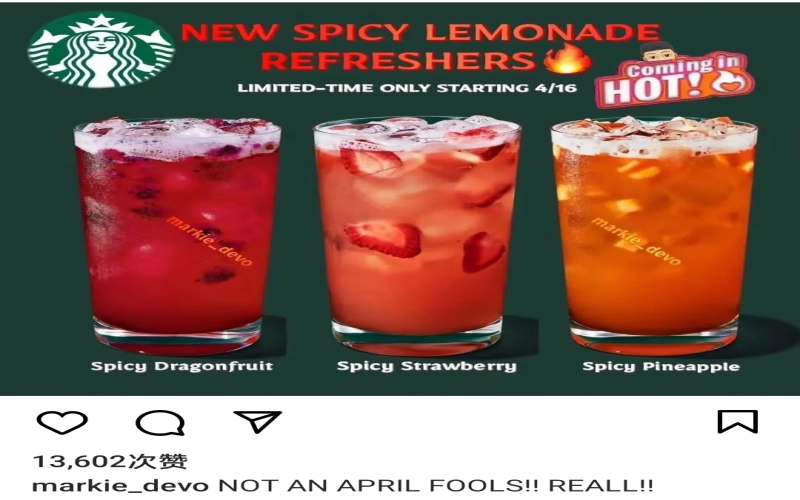
Starbucks Summer Spicy Refreshers Series Revealed: Chili Powder in the Drink, Launching Nationwide for a Limited Time on April 16
Just after the Qingming holiday, as temperatures rise, Starbucks' summer menu update is quietly approaching. Recently, an Instagram user leaked Starbucks' upcoming "Spicy Lemonade Refresher Series," which features chili powder and comes in three flavors—dragon fruit, strawberry, and pineapple—with an optional spicy cold foam, and is planned to be available for a limited time at stores across the United States starting April 16. This is not Starbucks' first attempt at spicy drinks; as early as 2015, its stores in China launched a Spicy Chili Mocha. From Dongpo Braised Pork Latte to Wasabi Pistachio Latte, Starbucks has been continuously testing the waters on the path of "dark cuisine." This article will take you through the specific details of this new spicy product, its preparation process, and the history of past spicy coffees. [more…]
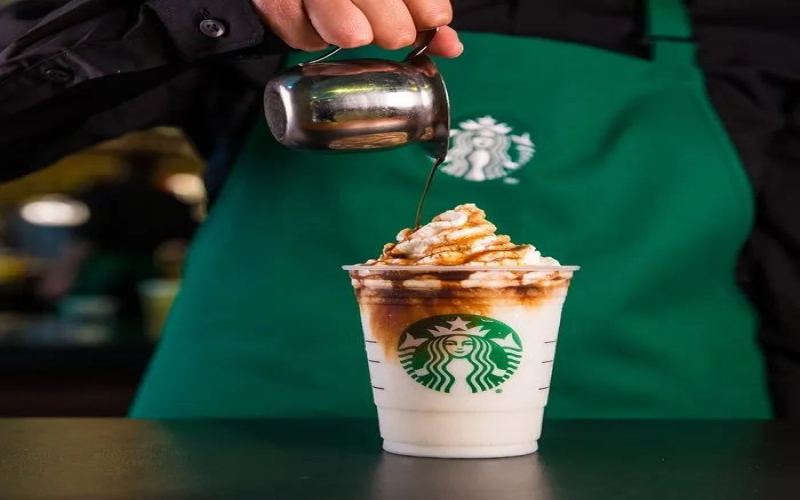
Behind Frappuccino's Sales Supremacy: Starbucks' Loss of Coffee Culture and Automation Dilemma
Professional coffee knowledge exchange For more coffee bean information, please follow Coffee Workshop (WeChat official account cafe_style) For more specialty coffee beans, please add the private WeChat of Front Street Coffee (FrontStreet Coffee), WeChat ID: qjcoffeex When cold drinks account for more than 70% of Starbucks sales, this brand built on espresso is undergoing an identity crisis. Howard announced at an investor briefing the launch of the Siren System automated equipment, compressing the making of a Mocha Frappuccino to 36 seconds and 13 steps—the other side of improved efficiency is the reduction of opportunities for baristas to interact with customers, as well as partners' concerns about the increasingly diluted coffee culture. From the rise of Frappuccino to the innovation of cold brew, from the emergence of delivery scenarios to the taste preferences of millennials, Starbucks is standing at the crossroads of efficiency and experience. [more…]
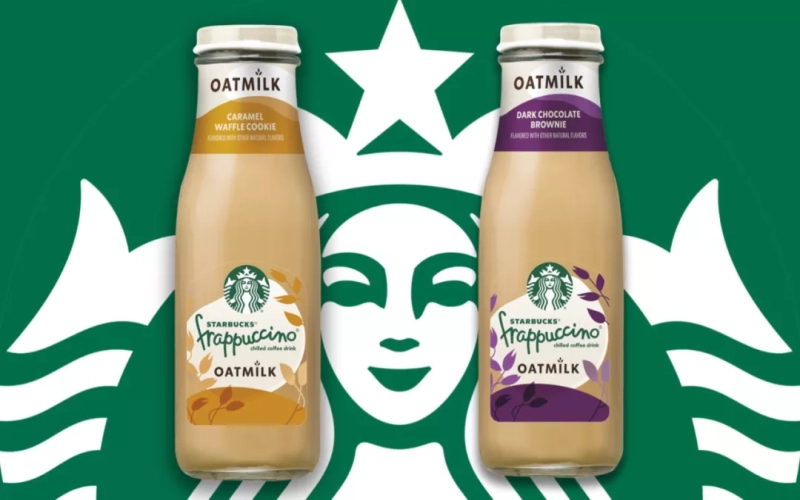
Starbucks Teams Up with Pepsi to Launch BAYA Energy Drink: Can This Cross-Industry Move Break Through Market Barriers?
星巴克近日宣布与百事可乐合作,将于3月1日在美洲地区推出三款水果口味能量饮品BAYA Energy。这款每12oz含160毫克咖啡因、90卡路里和90毫克维生素C的低卡高因饮品,标志着星巴克正式跨界能量饮料市场。面对疫情后美国能量饮品年销量从150亿增长至180亿美元的诱人蛋糕,星巴克能否凭借低卡高维素的差异化策略,打破消费者对传统能量饮料品牌的忠诚度?与此同时,星巴克在即饮咖啡领域早已布局多年,从罐装黑咖啡到燕麦奶咖啡不断推新。本文将深入分析星巴克此次跨界背后的市场逻辑与潜在挑战。 [more…]
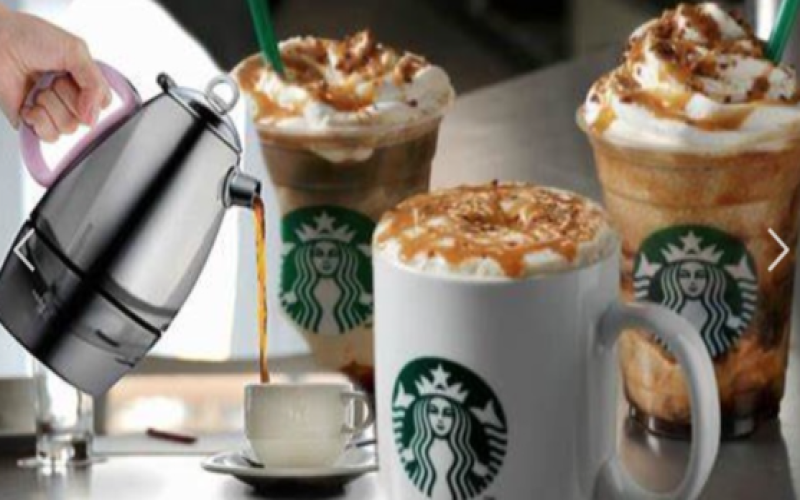
Starbucks Macchiato Family Welcomes New Members: A Comprehensive Look at the Lime and Coconut New Arrivals
The word macchiato always brings to mind the sweet, rich classic flavor of caramel macchiato. Since Starbucks first created the caramel macchiato in 1996, this drink has become a favorite of countless coffee lovers. In October 2024, Starbucks China not only held its first-ever macchiato-themed exhibition, but also took the opportunity to launch two new products: Lime Macchiato and Coconut Macchiato. This article takes you through the glorious history of the caramel macchiato, explores the highlights of the themed exhibition, and offers a first-hand interpretation of the flavor performance and consumer feedback of the two new products, providing a reference for your next order. [more…]
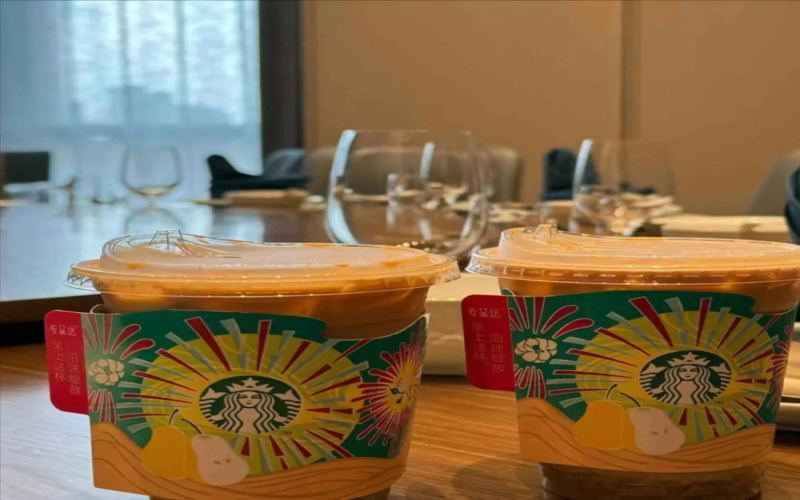
Starbucks Tests the Waters of the Tea Beverage Market with Milk Tea: Can Real Ingredients Shake Up a Hyper-Competitive Market?
Starbucks' Star Delivery Time-Space series recently launched 4 new products, two of which are milk teas without coffee that have sparked heated discussion. Some speculate this is a signal that Starbucks is entering the milk tea scene after being provoked by Luckin. The new products use a combination of syrup, freshly brewed tea, and milk, with the tea bag placed directly into the drink, allowing customers to add water themselves to extend the flavor. This approach continues the design concept of last year's Time-Space series and has gained recognition from some consumers, but others complain that the tea bag is troublesome to handle and that the flavor is not fully released in cold drinks. The 36-yuan price tag is still considered high by milk tea enthusiasts, making value for money the focus of controversy. Starbucks previously tested pearl milk tea in North America with lackluster results; this time the domestic new products are highly localized, but whether they can break through in the fiercely competitive tea beverage market remains unknown. [more…]
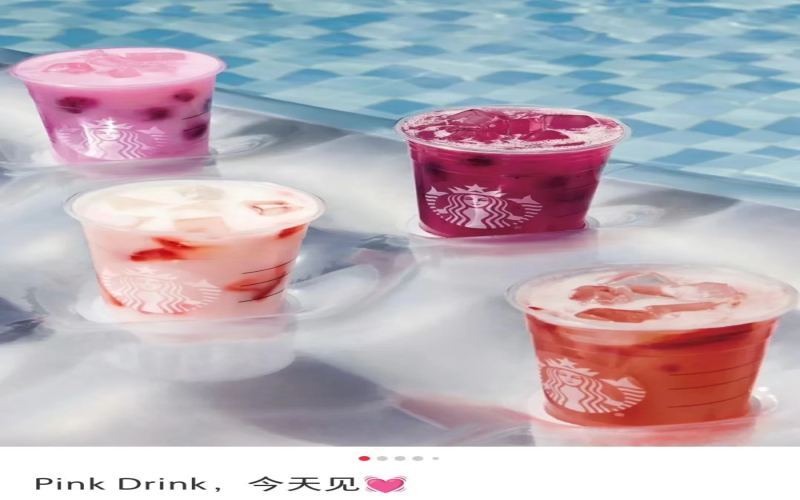
Starbucks Pink Drink: What the Pink Apron Really Means, and Does the Pink Drink Contain Caffeine?
Starbucks has recently officially launched the Pink Drink in the mainland China market, along with three new items: Pink Berry Lemonade Refresher, Dragon Drink, and Mango Dragonfruit Lemonade Refresher, priced between 34 and 40 yuan. To tie in with its summer beverage promotion, Starbucks baristas have put on limited-edition rose-red aprons, a bold and eye-catching choice that netizens have jokingly dubbed the "dopamine apron." At the same time, the brand has changed the mermaid logo on its takeaway cold cups to the silver-white version used in North America, making the look more in keeping with the pink tones of the Pink Drink. This article will explain the ranking significance behind the pink apron and answer the consumer question of whether the Pink Drink contains caffeine, while also retaining relevant recommendations from Front Street Coffee. [more…]
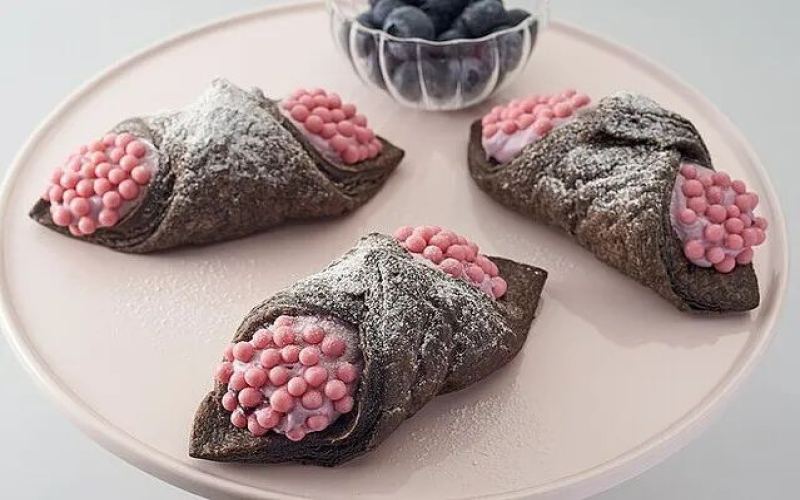
New Japanese Starbucks product sparks heated discussion over its appearance, with netizens saying it looks like apple snail eggs and Ohmu
Starbucks has consistently won consumer favor with its beverage and merchandise designs, but a new cream pie recently launched by Starbucks Japan unexpectedly sparked controversy online. This dessert, featuring a cocoa crust wrapped around blueberry cream and garnished with strawberry-powder pearl chocolate, trended on Twitter because netizens pointed out its appearance closely resembles apple snail eggs or the Ohmu from "Nausicaä of the Valley of the Wind." Despite the appearance triggering trypophobia-style complaints, some adventurous tasters said it actually tastes good. This article reviews the official introduction of this new product, netizen reactions, and several past aesthetic missteps in Starbucks history. At the end, professional coffee knowledge exchange channels and Front Street Coffee recommendations are included. [more…]
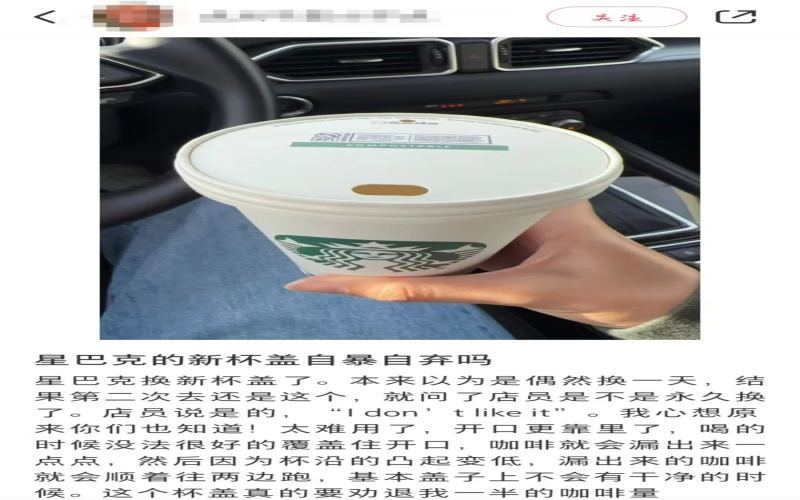
Starbucks' revised takeaway cup lid sparks debate: drinking spout moved inward, prone to leaks; cold drink cups also switching to paper lids
Recently, Starbucks quietly replaced the lids on hot beverage takeaway cups in some U.S. stores, sparking widespread discussion among consumers. The drinking opening on the new lid is positioned further inward, and the raised rim is lower, causing coffee to easily leak from the corners of the mouth when drinking, with many customers exclaiming that it is "too hard to use." At the same time, cold drink cups have also switched to white non-transparent domed paper lids and paper takeaway cups, making fans who are used to admiring the appearance of their drinks feel inconvenienced. Despite the continuous complaints, Starbucks has long been using paper tableware in France, Canada, Hong Kong and Macau, and other regions due to local environmental policies, and some customers have even switched to bringing their own cups as a result. Currently, there is no official conclusion on whether all U.S. stores will fully switch over, and there are no related plans for the mainland or Taiwan region for the time being. [more…]
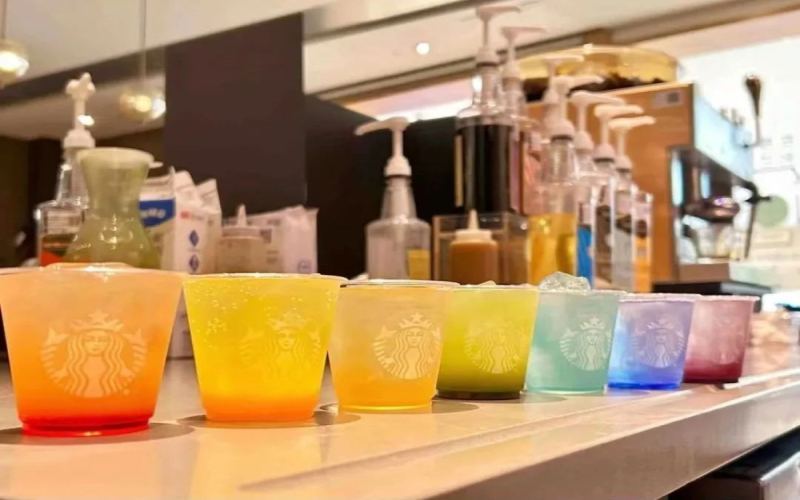
A Starbucks barista's self-created blueberry powder color-changing drink goes viral—stunning looks, but mocked as looking like glass cleaner.
Recently, a batch of stunningly beautiful Starbucks "dreamy new drinks" has emerged on social platforms. In fact, they are all creative beverages mixed by employees themselves using ingredients like blueberry powder. From sky blue to dreamy purple, from healing spirulina blue to the failed "glass water," this wave of color-mixing craze has turned the bar into a palette. Although these secret drink methods are not official products and customers theoretically cannot order them, it does not dampen the creative enthusiasm of coffee lovers at all. This article will take you through the origin, ways to play, and failed attempts of this blueberry powder DIY trend. [more…]
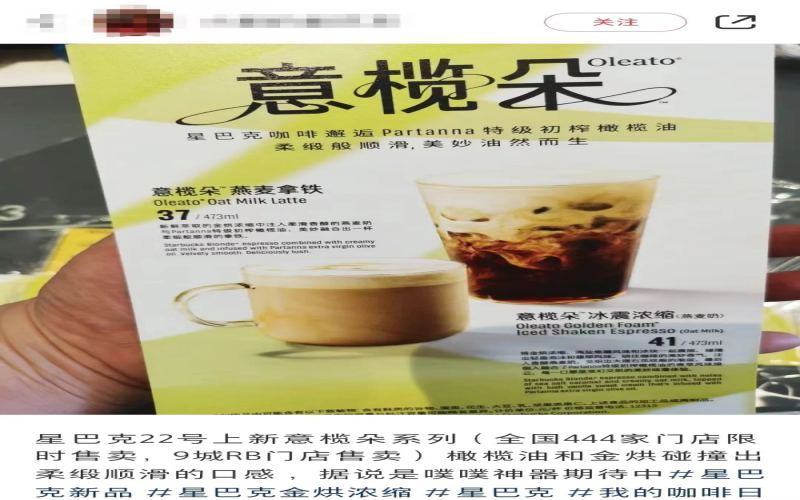
Starbucks Olive Oil Coffee Enters China a Year Late, Oleato Series Launches Amid Controversy
Starbucks recently announced that it will launch the Olive Oil series in selected stores nationwide, including two olive oil coffee beverages. This series is actually Oleato, which was introduced to China a year late—a "groundbreaking" creation once strongly promoted by former Starbucks CEO Howard Schultz. From Dongpo pork latte to olive oil coffee, Starbucks has launched frequent new products this year but has also sparked continuous controversy. Some people have placed olive oil coffee on the "dark coffee" list, while others have been conquered by its peculiar taste, and even more consumers have become fans due to its laxative effect. This discussion about coffee innovation reflects the various dilemmas Starbucks faces in product development and localization strategies. [more…]
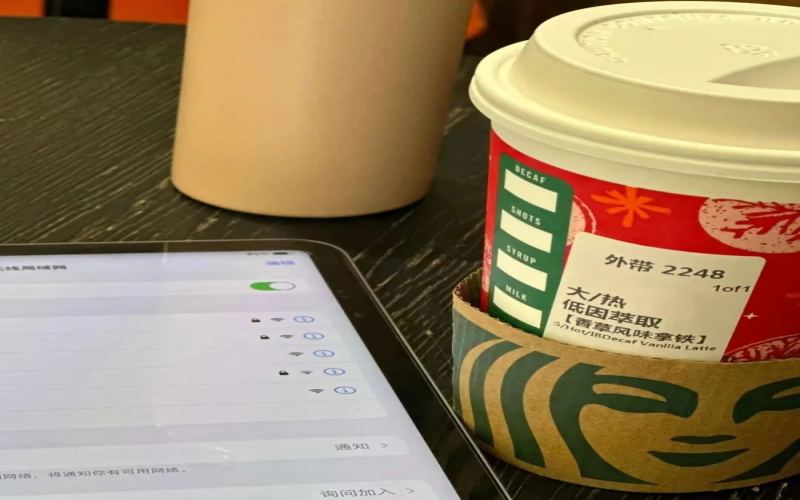
Starbucks' New Drinks No Longer Offer Decaf Espresso, and the Reasons Relate to the Launch of Blonde Roast Beans and Equipment Limitations
For consumers who are sensitive to caffeine but unwilling to give up the flavor of coffee, decaf options have always been an important selling point for chain brands, and Starbucks, with its rich product line and convenient decaf checkbox feature, has become the top choice for this group. However, recently many customers have noticed that many Starbucks stores in China have quietly removed the decaf espresso option from new products, and those who want decaf coffee can only choose from a fixed selection of classic products. This change has caused confusion and dissatisfaction among the decaf-demand group. What exactly caused the stores to make this adjustment? According to informed partners, this is directly related to the Golden Roast beans launched two months ago and the bean hopper configuration of the stores' coffee machines. This article will sort out the course of the incident, consumer feedback, and the equipment limitations behind it, and explain which stores can still normally provide decaf new products. [more…]
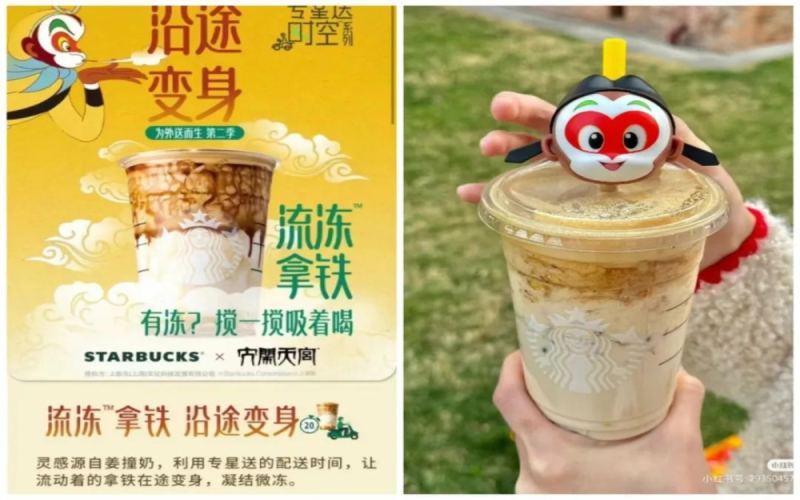
Starbucks' new Flow Frozen Latte sparks heated debate: layered frozen texture divides opinions, while a collaboration-themed straw arrives alongside it
Starbucks has recently been ramping up its co-branding activities, teasing a limited-edition extendable straw shaped like the Golden Cudgel that plays the Monkey King's voice lines, while also launching a new delivery-exclusive drink, the "Flow Frozen Latte," on its Starbuck Delivery service. This creative coffee, said to be inspired by ginger milk curd, claims that the liquid naturally congeals and separates into layers during delivery, arriving as a latte with distinctly defined layers. However, consumer reviews since its launch have been mixed: some have posted photos showing obvious congealing and layering, describing the texture as similar to double-skin milk or coffee pudding; others question whether the product matches its description, saying what they received was no different from an ordinary latte. Is the "flow frozen" effect real or just a gimmick? And is the new recipe simply an old product with a new name? This article will compile netizens' hands-on feedback to take a look at the true face of this talked-about beverage. [more…]
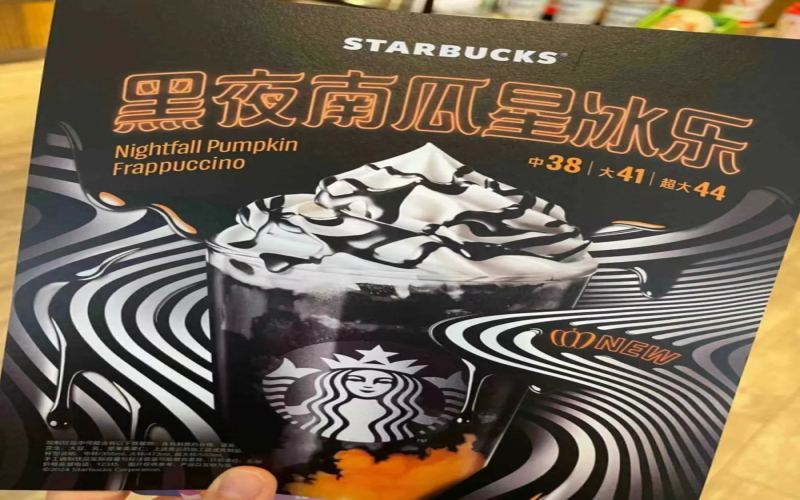
Starbucks Halloween New Release "Dark Pumpkin Frappuccino" Review: Bamboo Charcoal Black Caramel Recipe—Will Your Mouth Turn Black After Drinking?
As Halloween approaches, Starbucks has finally unveiled its limited-edition drink for the Chinese market this year—the "Dark Pumpkin Frappuccino" will land in stores nationwide on October 22. The entire drink is pitch black, jokingly dubbed by netizens as the literal embodiment of "dark cuisine." Where exactly does the black color of this drink come from? Does it taste as "dark" as it looks? Will your mouth turn black after drinking it? This article combines employee hands-on tests and consumer feedback from social platforms to answer these questions one by one. In addition, the article also mentions the "Concrete Frappuccino" previously launched in Hong Kong and Macau stores, as well as the overly sweet controversy surrounding the same product in the Japanese market last year, and includes relevant recommendations from the Front Street brand for coffee enthusiasts' reference. [more…]
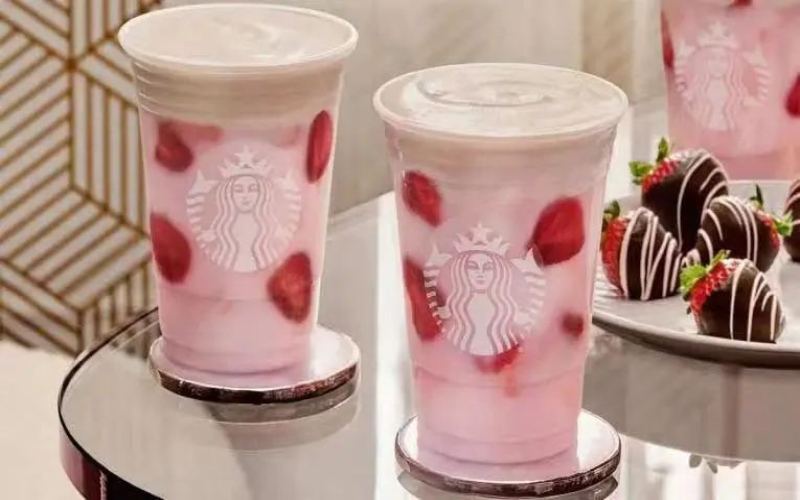
Starbucks Pink Drink bottled ready-to-drink version sells out immediately upon launch in North America, while domestic consumers' calls for it continue to grow
Starbucks North America recently transformed its social media sensation Pink Drink from a store-exclusive beverage into a bottled ready-to-drink product, which sold out rapidly after launching in major supermarkets, convenience stores, and online channels. This pink drink, which first gained popularity in 2016 as a secret menu item, went through fan-driven organic promotion, was officially added to the menu in 2017, and then expanded to North American markets including Canada in 2018, yet has never made its way to Starbucks stores in mainland China. The bottled version also launched a tropical-flavored Paradise Drink alongside it. Although it omits the fresh fruit pieces, it comes at a more affordable price, adding another new member to Starbucks' ready-to-drink beverage lineup. Chinese coffee enthusiasts have responded enthusiastically, with many calling on the brand to bring the product to China. [more…]
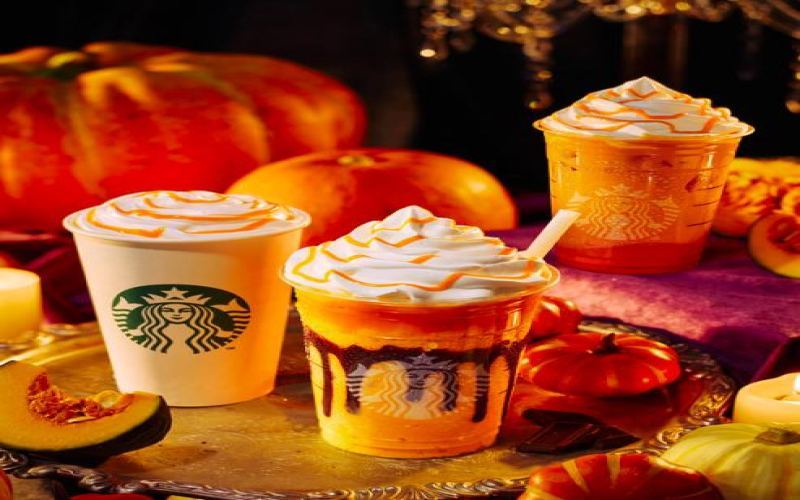
Starbucks launches its first pumpkin cheesecake-flavored latte in China—are longtime fans left disappointed or is it a compromise on flavor?
With Halloween approaching, Starbucks has launched its first-ever "Pumpkin Cheesecake Flavored Latte" and Frappuccino as two limited-edition drinks in China, sparking heated discussion among fans. Devoted fans of the classic overseas Pumpkin Spice Latte had been full of anticipation, but many were bluntly disappointed after trying the new drinks—they lacked both pumpkin flavor and cheesecake taste, and were even said to have lost their "soul" due to the absence of cinnamon powder. Still, some argue that the brand may have made adjustments to cater to local tastes. This article will walk you through the real reactions to this new holiday release and how it differs from previous overseas limited-edition drinks. [more…]